How Microfibrillated Cellulose Enhances Personal Care Formulations
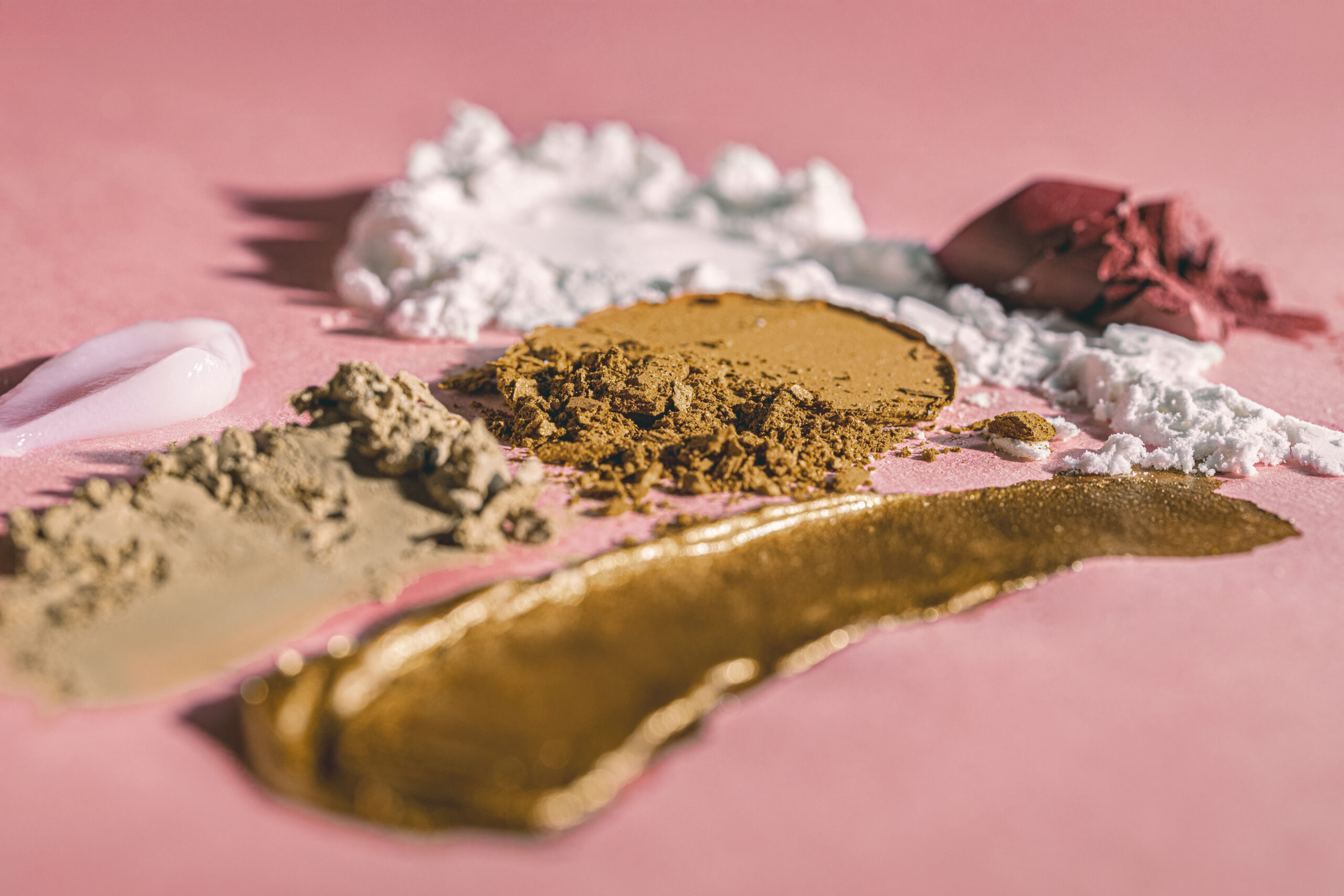
As the demand for naturally derived and multifunctional ingredients continues to grow, formulators need sustainable solutions that deliver both technical performance and formulation versatility. This trend is reflected in the rapid expansion of the natural and organic cosmetics market, which is projected to grow from USD 41.65 billion in 2024 to approximately USD 103.23 billion by 2034, representing a compound annual growth rate (CAGR) of 9.5% (1). Driven by consumer expectations for safe, environmentally friendly, and sustainable cosmetic products, manufacturers are seeking innovative bio-based ingredients that meet both performance and sustainability requirements. Celova® from Weidmann Fiber Technology is a natural microfibrillated cellulose (MFC) derived from sustainably sourced eucalyptus wood. Produced through a purely mechanical process, it is a naturally derived multifunctional ingredient for use in personal care formulations to enhance pigment dispersion and color intensity.
This article examines the structure of microfibrillated cellulose, its effect on pigment dispersion, and its performance in cosmetic formulations.
Microfibrillated Cellulose: Structure and Functionality
Cellulose from wood consists of a network of fibrils held together by hydrogen bonds. During the microfibrillation process, these hydrogen bonds are broken, allowing water molecules to intercalate between the fibrils and prevent them from re-bonding. The result is a stable, highly fibrillated structure with a large surface area and high water-binding capacity.
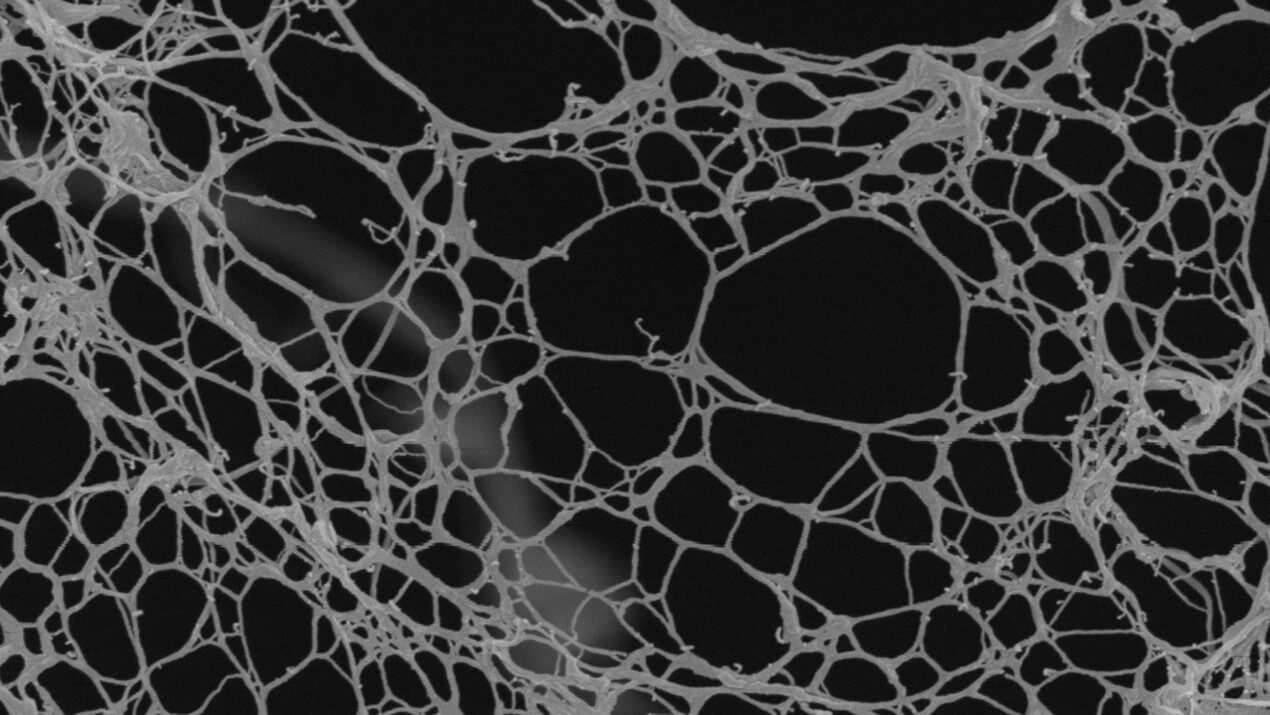
This fibrillar network contributes to texture enhancement, improved sensory properties, and water retention. In addition, it supports pigment distribution, making it suitable for skin care, sun care, and color cosmetic applications.
Pigment Dispersion and Color Performance
Pigment dispersion is critical in the development of color cosmetic formulations, as it directly influences color uniformity, coverage, optical appearance, and long-term product stability. Due to their relatively high density and strong tendency to agglomerate, inorganic pigments and mineral fillers can be difficult to disperse and stabilize uniformly within a formulation. Inadequate dispersion may lead to pigment sedimentation, agglomeration, color inconsistency, reduced color intensity, and poor application performance.
Microfibrillated cellulose (MFC) contributes to pigment stabilization through a unique three-dimensional fibrillar network formed within the aqueous phase. This network increases the formulation’s low-shear viscosity and provides a yield stress that restricts pigment mobility, thereby reducing sedimentation during storage. At the same time, the high specific surface area of the cellulose fibrils supports the separation of pigment particles and helps to minimize re-agglomeration after dispersion. The resulting improvement in dispersion stability ensures that pigments remain homogeneously distributed throughout the formulation, maintaining consistent optical properties over time. A more uniform pigment distribution enhances color development by reducing localized pigment concentration differences and improving light interaction with pigment particles. Consequently, formulations exhibit greater color intensity, improved coverage, enhanced gloss, and a more homogeneous appearance while maintaining excellent storage stability.
Beyond improving the visual appearance of decorative cosmetics, enhanced dispersion stability also contributes to more consistent manufacturing processes, reproducible product quality, and reliable performance throughout the product’s shelf life.
Experimental Evaluation of Pigment Dispersion Stability
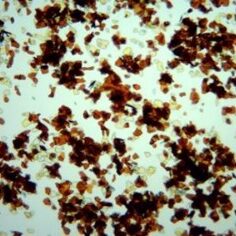
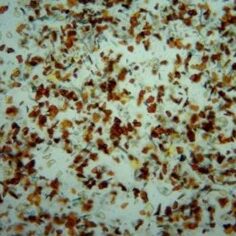
A study was conducted to investigate the ability of MFC to stabilize dispersed particles under accelerated sedimentation conditions using centrifugation. Aqueous dispersions containing iron oxide (Fe₂O₃) particles with a median particle size of approximately 5 µm were prepared. Iron oxide was selected as a representative inorganic pigment due to its relatively high density and its widespread use in color cosmetic formulations.
The dispersions contained combinations of 1–3 wt% MFC and 0.5–2 wt% iron oxide. Dispersion stability was evaluated by centrifugation for five minutes at increasing relative centrifugal forces (RCF, ×g), expressed as multiples of standard gravitational acceleration (g), providing an accelerated assessment of the fibrillar network resistance to particle sedimentation.
| % in dispersion | 0.5% particles | 1% particles | 2% particles |
| 1% MFC | 3g | 3g | 3g |
| 2% MFC | 12g | 12g | 12g |
| 3% MFC | ≥12g | ≥12g | ≥12g |
Values indicate the minimum centrifugal force at which the pigment remained homogeneously suspended within the MFC network.
The results demonstrate a clear concentration-dependent improvement in dispersion stability with increasing MFC concentration. At 1 wt% MFC, the fibrillar network maintained particle suspension under centrifugal forces of at least 3 xG. Increasing the MFC concentration to 2 wt% significantly improved stability, with all pigment loadings remaining suspended at forces of at least 12 xG. At 3 wt% MFC, no particle separation was observed at 12 xG, and the dispersions remained stable up to approximately 70 xG before separation began. Particle separation was first observed at approximately 70 xG.
Interestingly, the dispersion stability was largely independent of pigment concentration within the investigated range (0.5–2 wt%), suggesting that the fibrillar network possessed sufficient structural integrity to immobilize increasing pigment loadings without a measurable reduction in performance.
Visual observations during centrifugation further revealed that although the MFC network itself gradually compacted under increasing centrifugal force, the iron oxide particles remained embedded within the fibrillar matrix rather than separating from it. This behavior indicates that the pigment particles are physically entrapped within the three-dimensional cellulose network rather than suspended solely through increased viscosity. Consequently, substantially higher external forces are required to overcome the interactions between the pigment particles and the MFC network.
These findings provide experimental evidence for the proposed stabilization mechanism of MFC. The interconnected fibrillar network acts as a three-dimensional scaffold that imparts both yield stress and mechanical support, effectively restricting particle mobility and reducing sedimentation. This stabilization mechanism is particularly relevant for formulations containing high-density inorganic pigments, where preventing particle settling is essential for maintaining formulation homogeneity, consistent color development, and long-term storage stability.
Relationship Between Dispersion Stability and Optical Performance
Although dispersion stability and optical performance are often evaluated separately, both properties are closely related. Stable pigment dispersions maintain a homogeneous particle distribution throughout processing, storage, and application. This homogeneous distribution directly influences the optical behavior of the formulation by reducing localized differences in pigment concentration. Accordingly, improvements in dispersion stability can translate into more uniform color development, enhanced color intensity, and improved visual appearance of the finished cosmetic product.
The experimental sedimentation study therefore provides a mechanistic explanation for the aqueous formulation results presented in the following section. Additionally, the effect can be observed in anhydrous formulations such as lipstick. The improved optical properties observed in the brow cream and bronzer formulations can be interpreted as a direct consequence of the enhanced pigment stabilization achieved by the fibrillar cellulose network.
Performance Evaluation
Lipstick Formulations
In lipstick formulations, the incorporation of microfibrillated cellulose resulted in increased color intensity and improved coverage. The bulk formulation appeared darker and more saturated than the control formulation, indicating improved pigment distribution and enhanced optical appearance.
The darker appearance of the lipstick bulk suggests that pigment particles remained more uniformly distributed throughout the formulation. Homogeneous pigment dispersion reduces localized variations in pigment concentration, resulting in more consistent light absorption and enhanced visual color intensity.
Additionally, incorporating MFC reduced the sweating effect, a phenomenon characterized by the formation of small oil droplets on the surface of the finished lipstick.
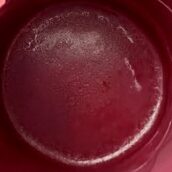
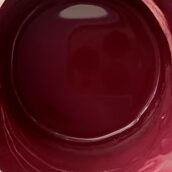
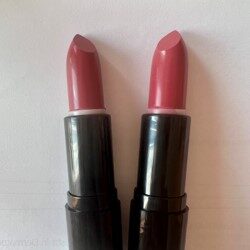
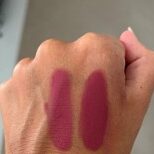
These results demonstrate improved pigment dispersion within the formulation.
Brow Cream Formulations
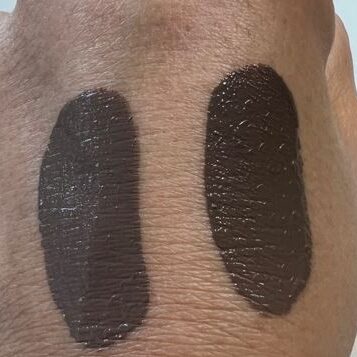
Similar results were observed in brow cream formulations. Samples containing microfibrillated cellulose exhibited a deeper and more vivid color than formulations without the ingredient, which appeared lighter and less saturated.
The deeper color observed in the formulation containing MFC is consistent with a more homogeneous distribution of pigment particles throughout the continuous phase. Improved dispersion minimizes localized pigment agglomerates and enables more uniform deposition of pigments during application, thereby contributing to greater color consistency.
Bronzer Bouncy Formulation
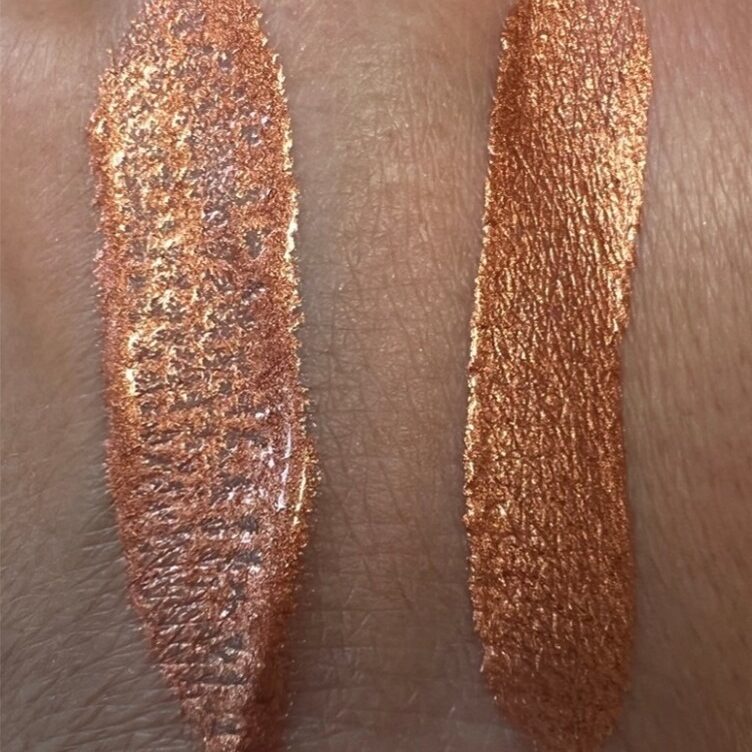
The effect of microfibrillated cellulose on pigment dispersion was further evaluated in a bouncy bronzer formulation. Compared to the placebo, the formulation containing 5% microfibrillated cellulose exhibited a markedly more homogeneous surface appearance, indicating a more uniform distribution of both color and pearlescent pigments throughout the formulation. In contrast, the placebo showed visible pigment inhomogeneities, suggesting incomplete pigment dispersion.
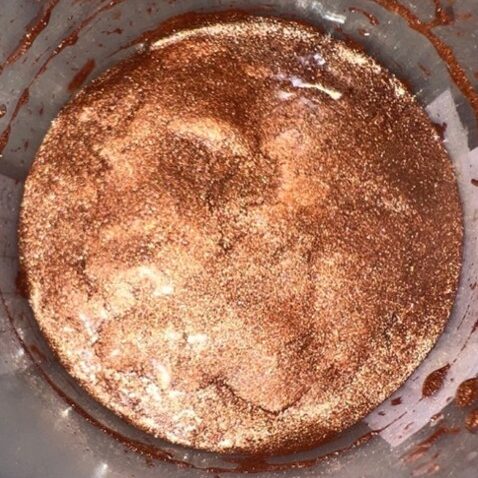
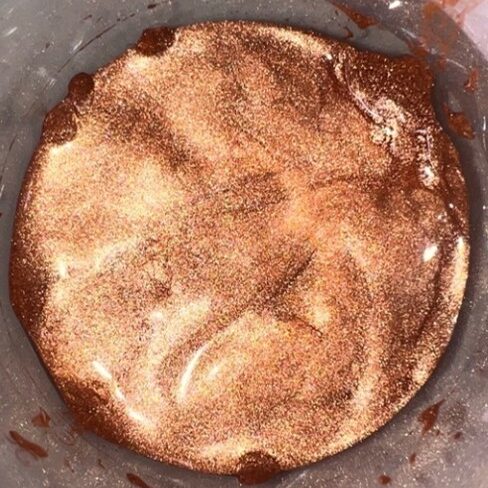
The improved pigment distribution was further reflected during application. The formulation containing microfibrillated cellulose provided enhanced color payoff and more uniform color development on the skin, whereas the placebo produced less homogeneous color deposition. These observations are consistent with the described ability of the three-dimensional fibrillar network to promote pigment separation, minimize pigment agglomeration, and maintain a homogeneous pigment distribution within the formulation. As a result, the pigments are transferred more uniformly during application, leading to improved color intensity and a more even visual appearance.
Color Booster Performance Across Personal Care Applications
The color-boosting performance of microfibrillated cellulose can be employed across a wide range of personal care applications to enhance the visual appearance of formulations through improved pigment distribution and optical properties.
Skin Care
In skin care emulsions, the material creates a brighter and more luminous appearance while improving coverage and gloss, resulting in a more uniform visual appearance.
Sun Care
In sun care formulations, the material improves coverage and enhances the dispersion of UV filters, contributing to a brighter, more radiant finish.
Color Cosmetics
In color cosmetic formulations, improved pigment dispersion promotes enhanced color development, greater coverage, and a glossy, vivid, and more intense color appearance. Typical applications include lipsticks, tinted creams, foundations, and eye make-up.
These results indicate the potential of microfibrillated cellulose to enhance the visual appearance of formulations beyond decorative cosmetics, supporting its versatility as a multifunctional ingredient in personal care applications.
Conclusion
The results demonstrate that microfibrillated cellulose improves pigment dispersion and dispersion stability in cosmetic formulations with its interconnected three-dimensional fibrillar network. This network restricts pigment mobility, reduces sedimentation, and minimizes pigment agglomeration, thereby maintaining a homogeneous pigment distribution within the formulation.
The accelerated sedimentation study provides experimental evidence for this stabilization mechanism. Increasing microfibrillated cellulose concentration resulted in progressively higher resistance to particle sedimentation under centrifugal force, while the stabilization performance remained largely independent of pigment concentration within the investigated range. Visual observations further indicated that the pigment particles remained embedded within the fibrillar matrix during centrifugation, supporting the proposed mechanism of physical entrapment within the cellulose network.
The formulation studies demonstrated that the improved dispersion stability is reflected in the optical performance of finished cosmetic products. In lipstick, brow cream, and bronzer formulations, incorporating microfibrillated cellulose resulted in more homogeneous pigment distribution, increased color intensity, improved color uniformity, and enhanced color payoff compared with the corresponding placebo formulations. These observations are consistent with the proposed relationship between homogeneous pigment distribution and improved optical performance.
Collectively, the experimental and formulation results indicate that microfibrillated cellulose can improve color performance across a range of personal care applications containing inorganic pigments or mineral particles, including color cosmetics, skin care, and sun care formulations. In addition to its technical functionality, the material is derived from renewable wood cellulose and is produced through a purely mechanical process, providing a naturally derived alternative for pigment stabilization in cosmetic formulations.
Want to test Celova in your own formulation?
Sources
- Precedence Research. Natural and Organic Cosmetics Market Size, Share and Trends 2025–2034 [Internet]. Ottawa: Precedence Research; 2025 [cited 2026 Jul 21]. Available from: https://www.precedenceresearch.com/natural-and-organic-cosmetics-market